
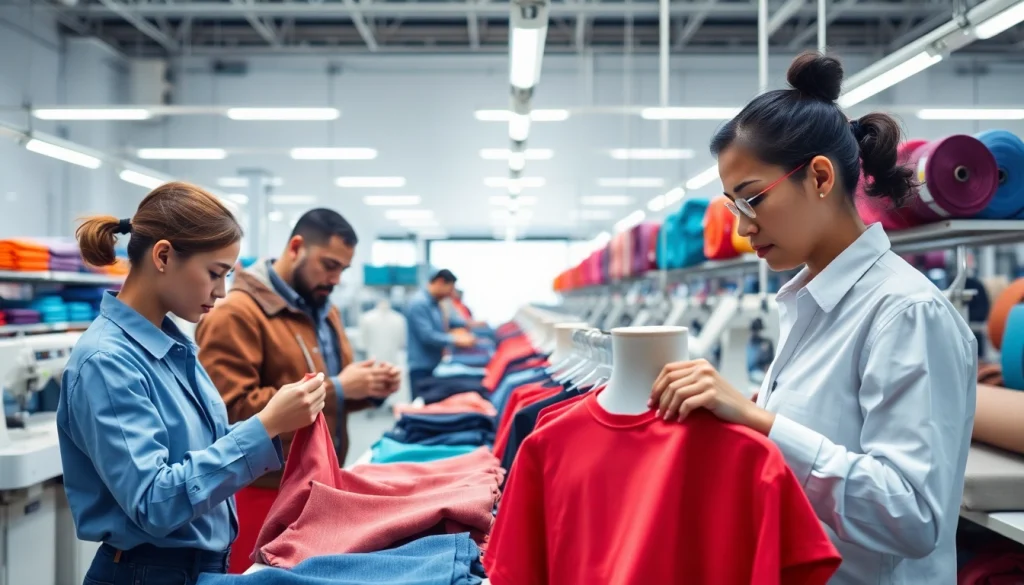

Understanding OEM Clothing Manufacturers
The landscape of the clothing industry has evolved significantly. A key player in this evolution is the OEM clothing manufacturers. They play a crucial role in the production chain, allowing brands to focus on design and marketing while outsourcing manufacturing. This article delves into the complexities of OEM clothing manufacturing, guiding you through the essential aspects of partnering with these manufacturers to ensure success in the competitive fashion market.
What Does OEM Mean in Clothing?
OEM stands for Original Equipment Manufacturer. In the context of clothing, it refers to a company that produces garments based on the specifications and designs provided by another brand. The manufactured clothing carries the brand’s label but is actually produced by the OEM. This partnership benefits brands by minimizing operational costs and allowing them to leverage the manufacturing capabilities of seasoned producers.
Benefits of Partnering with OEM Clothing Manufacturers
Engaging with OEM clothing manufacturers offers several distinct advantages:
- Cost Efficiency: OEM manufacturers typically have established supply chains and production processes, resulting in lower production costs.
- Scalability: Brands can easily scale their production up or down based on demand without significant investments in infrastructure.
- Access to Expertise: OEMs often have years of experience and access to better technologies and materials, ensuring quality and innovative designs.
- Focus on Core Competencies: Outsourcing manufacturing allows brands to concentrate on their strengths, such as marketing, design, and consumer engagement.
How OEM Differs from Other Manufacturing Models
OEM clothing manufacturing differs from other models such as ODM (Original Design Manufacturer) and private label manufacturers. Unlike ODMs, which also design the product, OEMs strictly manufacture products based on existing designs from brands. In contrast, private label manufacturers create and sell their unique products under a retailer’s brand name. This distinction influences the choice of manufacturing partners depending on a brand’s specific needs and goals.
Identifying Reliable OEM Clothing Manufacturers
Finding trustworthy OEM clothing manufacturers requires diligence and insight, as not all manufacturers offer the same level of quality and service.
Key Traits to Look for in OEM Clothing Manufacturers
When searching for a reliable OEM, consider the following characteristics:
- Reputation: Research the manufacturer’s history, client testimonials, and the industries they serve.
- Quality Standards: Investigate their commitment to quality through certifications and quality control processes.
- Communication: Effective communication supports smoother operations. Ensure they can engage in your preferred language and provide timely updates.
- Flexibility: A good OEM should accommodate order changes, adaptations, and unique requests.
How to Evaluate Manufacturing Partnerships
Evaluating prospective manufacturing partnerships should involve:
- Factory Visits: Personally visiting the factories, when possible, allows you to assess their operations and commitment to quality.
- Sample Production: Requesting prototypes or samples can provide insights into their craftsmanship and attention to detail.
- Legal Agreements: Review contracts thoroughly to understand the terms and ensure protection of intellectual property and design rights.
- Lead Times and Capacities: Understand their production capacities to determine if they can meet your fluctuations in demand.
Red Flags to Watch Out For
While searching for OEM clothing manufacturers, be vigilant for these red flags:
- Lack of Transparency: Any resistance to share information regarding production processes or costs should raise a warning signal.
- Negative Reviews: Consistent poor feedback from past clients can indicate underlying issues.
- Unclear Pricing Structures: Complicated or vague pricing models can lead to unexpected costs later in the partnership.
- Inability to Provide References: A credible manufacturer should be willing to provide references from previous clients.
Best Practices for Working with OEM Clothing Manufacturers
Collaboration with OEM clothing manufacturers requires strategic planning and a clear understanding of mutual goals.
Communication Strategies for Successful Collaboration
Efficient communication is key to a successful partnership. Here are strategies to enhance communication:
- Regular Updates: Schedule frequent check-ins to discuss progress, address concerns, and share feedback.
- Bilingual Support: Ensure language barriers are minimized, which can sometimes mean hiring translators for critical discussions.
- Utilize Technology: Implement project management tools to keep everyone on the same page and maintain transparency.
Quality Control Measures to Implement
Quality control is essential to maintaining standards in clothing manufacturing. Consider integrating these measures:
- Inspections: Conduct random inspections at various production stages to ensure quality is upheld throughout the process.
- Feedback Mechanisms: Provide manufacturers with direct feedback from consumers to facilitate continuous improvement.
- Clear Specifications: Provide detailed specifications and standards for the products to avoid ambiguity in production.
Managing Expectations and Deliverables
For a seamless working relationship with manufacturers, manage expectations appropriately:
- Set Realistic Goals: Establish mutually understood milestones and delivery timelines to avoid disappointments.
- Documentation: Keep accurate documentation of agreements, changes, and performance metrics to reference when necessary.
- Responsive Feedback: Maintain an open channel for feedback on both sides to adapt to any changes promptly.
Cost Factors in OEM Clothing Manufacturing
Understanding the various cost factors is crucial for effective budgeting while working with OEM clothing manufacturers.
Understanding Pricing Models for OEM Services
OEM manufacturers may employ different pricing models, commonly including:
- Cost-Plus Pricing: The manufacturer charges the cost of production plus a markup.
- Fixed Pricing: A predetermined price for the entire production run, beneficial for budgeting.
- Variable Pricing: Prices fluctuate based on materials and labor costs, offering flexibility but requiring closer monitoring.
How to Optimize Costs Without Compromising Quality
Optimizing costs without sacrificing quality involves:
- Bulk Purchasing: Ordering materials in bulk can lead to lower costs per unit.
- Material Selection: Assess different fabric options that provide quality at a lower price point.
- Revising Production Processes: Engaging the manufacturer in discussing potential efficiency tweaks can lead to cost reductions.
Negotiation Tips with OEM Clothing Manufacturers
Negotiation is vital in defining a mutually beneficial partnership:
- Research: Stay informed about industry standards and market rates, strengthening your bargaining position.
- Flexibility: Be open to alternative solutions that might benefit both parties, fostering a sense of collaboration.
- Long-term Relationships: Emphasize the potential for long-term partnerships, which can lead to better pricing and terms.
Case Studies and Examples
Learning from existing collaborations is essential to understanding how to work effectively with OEM clothing manufacturers.
Successful Collaborations with OEM Clothing Manufacturers
Numerous brands have successfully collaborated with OEM clothing manufacturers, leading to significant market presence. These partnerships often highlight the importance of aligning brand goals with manufacturing capabilities.
Lessons Learned from Manufacturing Experiences
Many brands share common lessons learned from their experiences, including the necessity for clear communication, the value of quality control measures, and the importance of maintaining strong relationships with manufacturers to navigate complexities.
The Future of OEM in the Fashion Industry
As the fashion industry continues to evolve, OEM manufacturers are poised to adapt by focusing on sustainable practices, innovative technologies, and faster response times to market demands. By bridging the gap between production and design, they will remain integral players in shaping future trends.
Frequently Asked Questions
What is an OEM in the clothing industry?
An OEM (Original Equipment Manufacturer) produces garments according to another brand’s design and specifications, allowing brands to focus on marketing and branding.
How do I choose an OEM clothing manufacturer?
Evaluate manufacturers based on reputation, quality standards, communication skills, and their ability to meet your production needs.
What are the benefits of working with OEM clothing manufacturers?
Benefits include cost efficiency, access to manufacturing expertise, scalability, and freeing brands to focus on their core competencies.
What quality control measures should I implement?
Implement regular inspections, provide clear specifications, and maintain feedback mechanisms to ensure high-quality production.
How can I optimize my costs when working with an OEM?
Explore bulk purchasing, choose alternative materials, and work closely with your manufacturer to identify efficiency improvements within existing processes.