
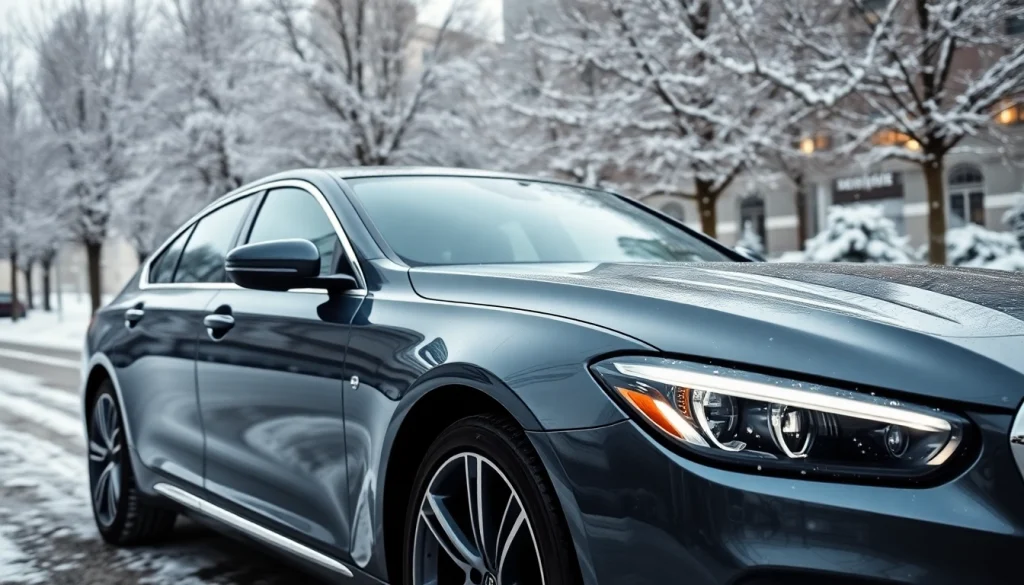

Understanding PPF Winter Road Salt Protection
What is PPF and Its Importance?
Paint Protection Film (PPF) is a clear, thin, and durable thermoplastic urethane film applied to a vehicle’s exterior surfaces. Its primary purpose is to protect the paint from scratches, chips, and other environmental damages. In the context of winter driving, PPF becomes crucial as it acts as a barrier against harsh elements, including road salt, snow, and ice. By applying PPF winter road salt protection, vehicle owners can maintain their car’s aesthetics and integrity during the cold months.
How PPF Protects Against Winter Elements
PPF works through its specially engineered properties, which allow it to absorb impacts and resist abrasions. When winter conditions strike, particularly in regions where road salt is prevalent, the risk of corrosion and paint chipping increases significantly. PPF acts as a sacrificial layer, absorbing impacts from ice, snow, and road gravel. Moreover, its hydrophobic nature ensures that moisture and salts do not penetrate the car’s surface, thus minimizing the risk of rust.
The Role of Road Salt in Vehicle Damage
Road salt is primarily used to melt ice and snow on roadways, improving driving safety during winter months. However, it can be detrimental to vehicle surfaces. Salt can cause corrosion, leading to rust and paint deterioration over time. Additionally, salt can create a highly abrasive environment that may scratch paint, particularly on exposed sections of a vehicle. The protective properties of PPF make it a valuable addition for anyone looking to mitigate these risks effectively.
Benefits of PPF Winter Road Salt Protection
Durability and Longevity of PPF
PPF is designed to withstand harsh conditions, making it a long-term investment for vehicle protection. High-quality films can last for many years—often between five to ten years—if maintained properly. Its advanced technologies offer self-healing properties, meaning that minor scratches and swirl marks can disappear with heat exposure, helping to keep your vehicle looking pristine throughout the winter.
Cost-Effectiveness Compared to Repairs
While the initial cost of PPF installation might seem steep, it is important to consider the potential savings on repairs and maintenance. In the absence of PPF, vehicle owners may face expensive repainting or bodywork costs due to damage caused by winter elements. By investing in PPF, the risks are mitigated, leading to lower total ownership costs and preserving the vehicle’s value over time.
Enhancing Vehicle Appearance Year-Round
One of the less talked about benefits of PPF is its aesthetic contribution. The film maintains the vehicle’s original paint finish, providing a gloss that enhances visual appeal. During winter, when vehicles are often subjected to harsh weather, having PPF helps keep the exterior clean and free from blemishes, allowing the car to look as good in the winter as it does in the summer.
Application Process for PPF Winter Road Salt Protection
Preparing Your Vehicle for PPF Installation
Before applying PPF, proper preparation is essential. This begins with a thorough wash of the vehicle to remove any dirt, grime, or wax. Once the vehicle is clean, it should be dried completely to prevent moisture from becoming trapped under the film. An additional step is decontaminating the paint surface using a clay bar, which helps ensure that the surface is as smooth as possible for optimal adhesion.
Step-by-Step Application Guide
The application of PPF can be intricate and is usually best performed by professionals. However, here’s a generalized step-by-step process:
- Measurement and Cutting: Accurate measurements of the areas to be protected are essential. The PPF is then cut according to these dimensions.
- Application: Carefully place the film on the vehicle, ensuring no bubbles or creases form. Use a light mist of application solution to help position the film.
- Heat Activation: Applying gentle heat can help activate the adhesive on the film, ensuring a secure bond.
- Smoothing Out: Use a squeegee to eliminate air pockets and excess solution, ensuring a seamless finish.
- Finishing Touches: Trim any excess film and ensure all edges are neatly bonded.
Post-Installation Care Instructions
After PPF installation, a few care instructions should be followed to maximize the film’s lifespan. Avoid washing the vehicle for at least 72 hours to allow the adhesive to cure properly. When cleaning, use a gentle, pH-balanced soap and avoid abrasive materials. Regular inspections for unusual wear or damage will help identify any issues early, ensuring your vehicle maintains its protective layer.
Choosing the Right PPF for Winter Protection
Different Types of PPF Available
Several types of PPF are available, each with unique attributes. Some are designed primarily for durability, while others focus on self-healing capabilities. Additionally, there are options that offer varying degrees of gloss and matte finishes. The best choice will depend on individual preferences and the specific winter conditions experienced in your area.
Considerations for Winter Performance
When selecting a PPF for winter use, consider factors such as thickness, ease of installation, and resistance to staining from road salt and debris. Thicker films generally provide better protection, but may be more challenging to work with. Longevity and UV resistance are also vital in ensuring the film remains clear and protective throughout the winter months.
Expert Recommendations for Best Brands
While specific brand recommendations are not provided, it’s wise to consult with industry professionals who can suggest reputable manufacturers known for their quality and performance. Brands that focus on advanced technology and have a proven track record of customer satisfaction should be prioritized during selection.
Frequently Asked Questions About PPF Winter Road Salt Protection
How long does PPF last in winter conditions?
In optimal conditions, PPF can last from five to ten years. Winter elements can affect longevity, but high-quality films are designed to weather such impacts effectively.
Can I apply PPF myself?
While DIY PPF kits are available, professional installation is recommended for best results, as precision is crucial to avoid bubbles and misalignment.
What should I do if PPF gets damaged?
If your PPF is damaged, consult with a professional installer who can assess the extent of the damage and recommend appropriate repair or replacement options.
How does PPF compare to wax or sealants?
PPF offers superior protection against physical damage, while wax and sealants provide shine and limited scratch resistance. PPF is more durable and offers long-term protection.
Is PPF environmentally friendly?
PPF generally has a low environmental impact once installed. However, proper recycling and disposal methods should be followed at the end of its lifecycle to minimize waste.