
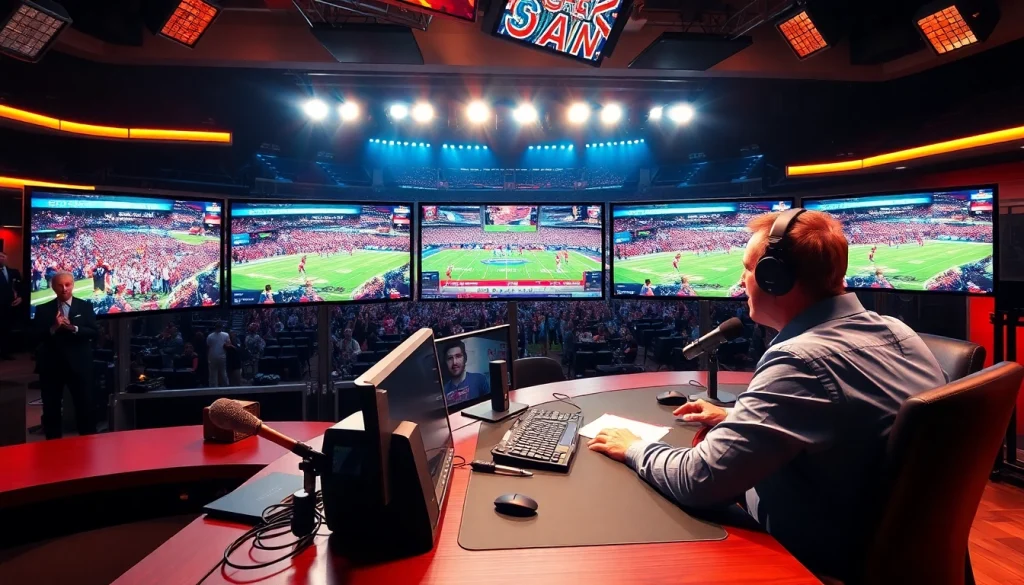

Understanding Sports Broadcasting Essentials
What is Sports Broadcasting?
Sports Broadcasting is the dissemination of sports events and related content via various media platforms, including television, radio, and digital outlets. This dynamic field plays a pivotal role in how fans experience their favorite sports, providing commentary, updates, and behind-the-scenes insights that enhance viewer engagement. As the interest in live sports grows, understanding the nuances of Sports Broadcasting becomes crucial for anyone looking to engage with this vibrant industry. With professionals working round the clock to bring the excitement of live sports to fans all over the globe, staying updated with the latest advancements in the field can empower aspiring broadcasters to navigate their careers effectively. For those looking to delve deeper into the intricacies of this field, consider exploring resources on Sports Broadcasting.
The Role of Technology in Sports Broadcasting
Technology is the backbone of modern Sports Broadcasting. From high-definition cameras capturing every angle of the game to innovative software enabling real-time statistics display, technology significantly enhances the viewing experience. Broadcasting companies utilize multiple camera angles, drone footage, and augmented reality to bring fans closer to the action. Additionally, advanced graphics and data overlays provide insightful statistics, giving viewers a deeper understanding of player performances and game strategies.
Moreover, streaming technology has revolutionized how audiences access sports entertainment. With platforms like YouTube, ESPN+, and specialized sports apps, fans can now watch games on-demand, bringing a new level of convenience. The use of VR and AR is becoming more prevalent, allowing fans to experience games as though they were in the stands, thus creating an immersive viewing experience that enriches the traditional broadcast format.
Types of Sports Broadcasting Formats
Sports Broadcasting encompasses a range of formats that cater to different audiences and preferences. Major formats include:
- Live Broadcasting: The real-time transmission of sports events is arguably the most popular format, providing immediate excitement for fans.
- Sports News Programs: These are dedicated shows that provide highlights, analysis, and interviews, keeping fans updated on scores and developments.
- Documentaries and Features: In-depth storytelling that explores the histories, challenges, and triumphs of teams and athletes.
- Podcasts: A growing format where commentators and fans discuss recent games, strategies, and on-field happenings.
Building a Career in Sports Broadcasting
Necessary Skills for Aspiring Broadcasters
To succeed in Sports Broadcasting, aspiring broadcasters must develop a diverse skill set that includes:
- Communication Skills: Clear and engaging communication is crucial, as broadcasters must articulate their thoughts effectively.
- Technical Proficiency: Familiarity with broadcasting equipment and software enhances the broadcaster’s ability to produce high-quality content.
- Research Abilities: Knowledge of the sports, teams, and players discussed is essential for providing insightful commentary.
- Storytelling Skills: The ability to create compelling narratives around sports events can captivate audiences.
Education and Training Options
While formal education is not mandatory, pursuing a degree in journalism, communications, or broadcasting is highly beneficial. Numerous universities offer specialized programs focused on Sports Broadcasting, covering topics such as sports media, news reporting, and multimedia production. Moreover, practical experience through internships at local radio or television stations can provide invaluable hands-on learning opportunities. Workshops and seminars hosted by industry professionals also offer platforms to hone skills and gain insights into the latest broadcasting trends.
Networking and Industry Connections
Networking is a vital aspect of building a successful career in Sports Broadcasting. By attending industry events, joining professional organizations, and leveraging social media platforms like LinkedIn, aspiring broadcasters can connect with established professionals. Mentorship opportunities can provide guidance and help navigate career paths. Engaging with sports communities online and participating in discussions enhances visibility and opens doors to new opportunities.
Effective Storytelling in Sports Broadcasting
Crafting Compelling Game Narratives
Effective storytelling is what captivates audiences in Sports Broadcasting. Broadcasters must learn to weave narratives that highlight player achievements, define rivalries, and showcase pivotal game moments. Creating a sense of urgency and excitement through their delivery can keep viewers engaged. Understanding the emotions of the game, such as the tension during a close match or the joy of a victory, allows broadcasters to connect with the audience personally.
Utilizing Statistics to Enhance Commentary
Statistics play a crucial role in enhancing the quality of commentary. Broadcasters must be skilled in interpreting relevant data to provide depth to their analysis. Utilizing in-game statistics, historical comparisons, and player performance metrics offers fans comprehensive insights that elevate the viewing experience. For instance, sharing player averages or highlighting significant milestones during a match can deepen audience engagement, allowing them to appreciate the nuances of the game.
Engaging Viewers with Emotion and Insight
Engagement goes beyond mere information delivery; it’s about creating an emotional connection with the audience. Broadcasters need to convey passion, excitement, and empathy while recounting moments from the game. Techniques such as vocal variation, strategic pauses, and lively expressions can amplify the emotional resonance of commentary. Understanding the importance of viewer sentiment and responding to it in real-time—whether during triumphant moments or devastating losses—can draw viewers deeper into the sports experience.
Challenges in Sports Broadcasting
Common Obstacles and How to Overcome Them
Like any profession, Sports Broadcasting is not without its challenges. Broadcasters often deal with high-pressure situations, tight deadlines, and fluctuating viewer expectations. Overcoming these challenges requires a combination of resilience, adaptability, and the ability to maintain composure under pressure. Continuous learning and improvement, through feedback and practice, can equip broadcasters to manage these elements effectively.
Adapting to Rapid Technology Changes
The rapid pace of technological advancement poses a challenge in Sports Broadcasting. Keeping up with new platforms, tools, and viewing habits is critical. Broadcasters must embrace ongoing education and training to familiarize themselves with trends like live streaming, social media integration, and virtual reality experiences. Regularly consuming new content and adapting to changing technologies ensures they remain relevant in this fast-paced digital environment.
Managing Viewer Expectations and Feedback
In today’s interconnected world, viewer feedback can be immediate and widespread. Balancing viewer expectations can be daunting yet manageable. Broadcasters must develop a thick skin and be prepared to learn from criticism while also identifying areas for improvement. Engaging with the audience on platforms like Twitter or Instagram can provide valuable insights and show fans they are heard, ultimately fostering a stronger community around the broadcast.
The Future of Sports Broadcasting
Emerging Trends in Sports Media
The future of Sports Broadcasting promises exciting changes, influenced by evolving technologies and viewer preferences. One of the most significant trends is the rise of interactive broadcasting, allowing viewers to choose camera angles and access statistics in real-time. The integration of social media into sporting events creates an environment where fans can engage and express their reactions instantaneously.
The Impact of Streaming Services
Streaming services are reshaping the landscape of Sports Broadcasting. Viewers increasingly prefer on-demand content, leading broadcasters to innovate and develop strategies that cater to these preferences. Live sports streaming has become a staple, resulting in more competition and creating opportunities for niche sports to find larger audiences. As more people lean towards streaming platforms, traditional television slots may continue to decline, with an increasing focus on mobile accessibility and viewer engagement.
Preparing for Evolving Audience Demands
To stay relevant, broadcasters must adapt to shifting audience demands. This includes understanding not just who the audience is but also what they want from Sports Broadcasting. Engaging younger viewers, integrating mobile-friendly formats, and appealing to diverse demographics are vital for success in the evolving media landscape. Broadcasters need to remain flexible and open to experimenting with new formats, styles, and technology to meet these demands.
Frequently Asked Questions
What qualifications do I need to become a sports broadcaster?
While there are no formal prerequisites, pursuing a degree in journalism or communications is beneficial. Experience in internships also enhances opportunities.
How important is storytelling in sports broadcasting?
Storytelling is crucial as it helps engage the audience emotionally, bringing the sports experience to life beyond just the facts of the game.
What technology should I be familiar with?
Broadcasters should be proficient with broadcasting equipment, editing software, and new media technology, including streaming platforms and social media tools.
How can I network effectively in the sports broadcasting industry?
Joining professional organizations, attending industry events, and leveraging social platforms like LinkedIn are effective ways to build connections.
How is streaming changing sports broadcasting?
Streaming services offer flexibility and on-demand access, shifting audience preferences and challenging traditional broadcast models to maintain viewership.