
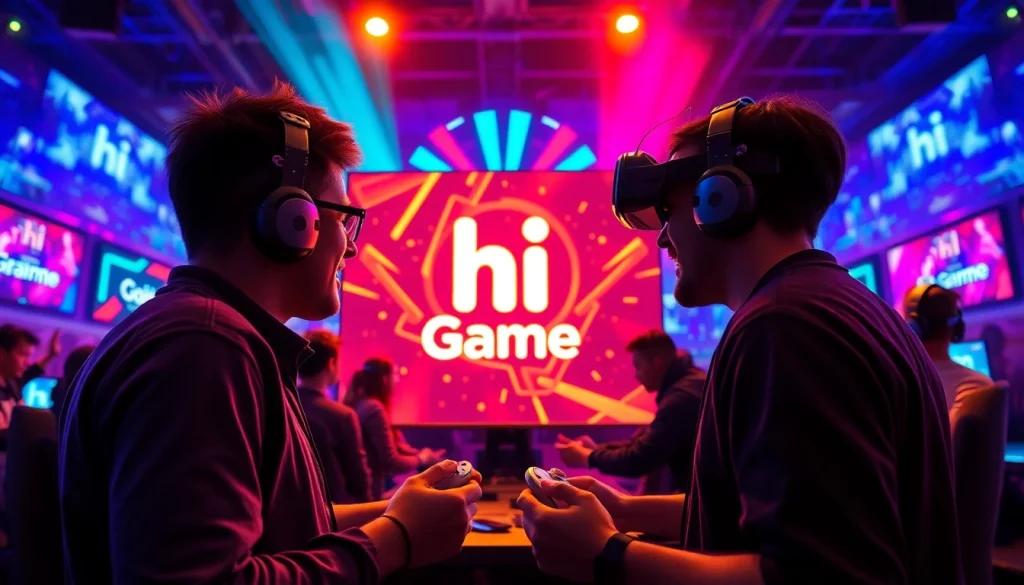

Understanding the hi game Mechanics
Basic Gameplay Elements
The hi game introduces players to a dynamic platform where creativity meets strategy. At its core, the game consists of user-friendly mechanics that allow various gameplay styles. Players can expect to engage in a variety of tasks, from building to competition, demanding both cognitive and manual skills. Understanding the basic elements, such as controls, objectives, and the game environment, lays the groundwork for mastering gameplay.
Strategies for Beginners
New players often find themselves overwhelmed by the array of options available in the hi game. To ease this transition, beginners should focus on a few introductory strategies. Firstly, mastering the controls is paramount—spending time in a practice mode can help solidify this knowledge. Secondly, engaging in smaller tasks allows players to grow their in-game experience gradually without overextended risks. Lastly, joining a beginner-friendly community can provide invaluable tips and support, enhancing the learning process.
Advanced Techniques
As players gain familiarity and confidence, they can unlock advanced techniques in the hi game. Strategies such as resource management, efficient team collaboration, and dynamic adaptation to opponents’ tactics become essential. Advanced players often analyze gameplay metrics to identify areas for improvement. Investing time in reviewing gameplay footage or participating in advanced workshops can facilitate deeper understanding and skill enhancement, making them more competitive in higher-stakes environments.
Building a Community around the hi game
Creating Engaging Events
Community events play a crucial role in the hi game ecosystem. By organizing engaging activities, game administrators can foster enthusiasm and participant engagement. Whether hosting tournaments, themed challenges, or collaborative missions, these events can significantly elevate the user experience. To ensure success, consider factors such as event timing, organizational structure, and participant incentives to enhance participation rates.
Encouraging Collaborative Play
Fostering a sense of collaboration can enrich the social fabric within the hi game. Implementing systems that reward teamwork promotes players to interact positively. Building cooperative quests or challenges encourages users to partner with others, facilitating friendships and camaraderie. Leveraging communication tools, such as in-game chat features, can also enhance collaborative experiences, providing forums for sharing strategies and successes.
Best Practices for Community Management
Effective community management is essential for maintaining a thriving environment in the hi game. Transparency in communication fosters trust between players and administrators. Addressing player concerns promptly can also uphold community integrity. Moreover, establishing rules and guidelines can help create a safe space for all players. Recognizing individual achievements and contributions through awards or shout-outs can reinforce community bonds significantly.
Enhancing Skills for the hi game
Training and Practice Methods
Improving skills within the hi game requires deliberate practice and training. Utilizing both structured training simulators and free-play opportunities can provide balanced approaches to skill enhancement. Setting specific goals in training sessions, such as mastering new techniques or improving reaction times, helps players maintain focus. Additionally, seeking feedback from experienced players can provide insights into individual performance, further refining skills.
Utilizing Online Resources
The internet is a treasure trove of resources for players aiming to enhance their skills in the hi game. Various platforms offer comprehensive tutorials, walkthroughs, and community forums where players can share tips and strategies. Participating in online webinars hosted by top players can also enlighten individuals on new techniques and trends, fostering continuous learning and adaptation to evolving gameplay landscapes.
Learning from Top Players
Observing and learning from top players within the hi game can accelerate skill acquisition. Many experienced gamers share live-streamed sessions or recorded tutorials, providing insights into their decision-making processes and techniques. Analyzing their gameplay can help newcomers understand advanced strategies and situational awareness, allowing them to integrate these learning points into their gameplay.
Keeping Up with hi game Trends
Latest Developments in Gaming
The gaming landscape is ever-evolving, and staying updated on the latest developments can significantly influence players’ experiences in the hi game. Keeping abreast of changes, whether in game mechanics, graphics enhancements, or community events, allows players to adapt quickly. Subscribing to industry news outlets, participating in community discussions, and engaging with developers can provide the insights necessary to remain informed.
Impact of Technology on Gameplay
Technological advancements continually shape the way users engage with the hi game. Innovations such as augmented reality, artificial intelligence, and machine learning are transforming gameplay experiences, offering more immersive and adaptive environments. Understanding these technologies and how they affect gameplay can allow players to harness these tools effectively and enhance their overall skills and strategies.
Future Directions in the Gaming Community
Looking towards the future, the gaming community surrounding the hi game is poised for growth and innovation. Trends such as competitive gaming and e-sports are creating opportunities for professional advancement within the arena. As the community expands, establishing partnerships and integrating new forms of interaction—such as cross-platform gaming—may become pivotal in enhancing communal experience and engagement.
Monetizing the hi game Experience
Developing In-game Purchases
In-game purchases can be a lucrative element of the hi game, providing players with customization options, enhanced experiences, and exclusive content. Developers should focus on creating value-added purchases that enhance gameplay rather than disrupt it. Implementing a fair pricing strategy while allowing players the option to earn certain purchases can maintain a balanced economy within the game.
Creating Merchandise
Establishing a branded merchandise line can further monetize the hi game experience. Items such as apparel, accessories, and collectibles can foster brand loyalty while offering fans tangible connections to the game. Thoughtful merchandise design that resonates with the community can generate additional revenue while enhancing the overall brand presence.
Leveraging Sponsorship Opportunities
Sponsorships can serve as another valuable revenue stream within the hi game environment. By collaborating with brands that align with the game’s themes and player demographics, creators can generate income while providing sponsors exposure to engaged audiences. Transparent sponsorship arrangements that respect player experience can enhance community trust while benefitting all parties involved.
Frequently Asked Questions
What is the hi game?
The hi game is a dynamic gaming platform that emphasizes user creativity and strategic thinking through various engaging gameplay elements.
Is the hi game suitable for beginners?
Yes, the hi game offers beginner-friendly mechanics and tutorials, making it accessible to new players while offering challenges for experts.
How can I improve my skills in the hi game?
Players can enhance their skills in the hi game through structured practice, utilizing online resources, and learning from top players.
Are there community events in the hi game?
Yes, the hi game hosts various community events to encourage participation, collaboration, and competition among players.
Can I monetize my experience in the hi game?
Absolutely! Players can explore in-game purchases, merchandise, and sponsorship opportunities to monetize their experience in the hi game.